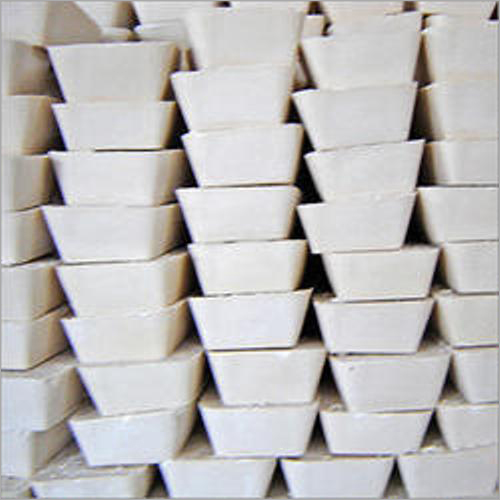
About Ferric Alum Bricks
Specifications:
|
Product Description
|
Product Specification
|
|
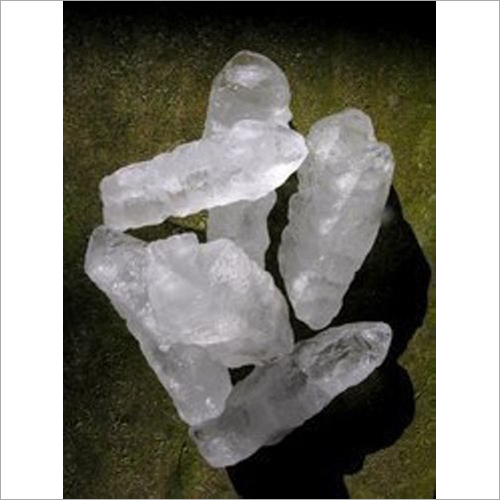
1)Alum - Ferric Grade - I
|
(Solid) Al2O3: 15-16%
|
|
|
(Liquid) Al2O3: 7-8%
|
|
2)Alum ( Non Ferric- Ammonia Alum)
|
(Solid) Al2O3: 13%.
|
|
|
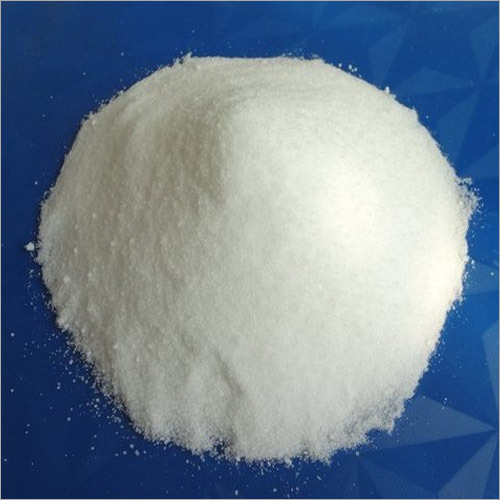
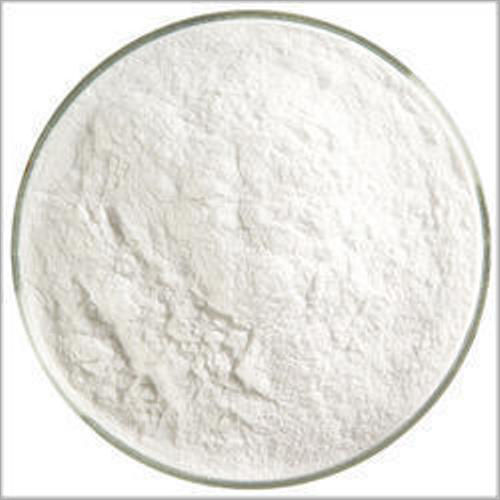
(Powder) Al2O3: 13%, Moisture:15%
|
Optimized for Industrial LiningDesigned specifically for heavy-duty industrial lining, ferric alum bricks offer outstanding thermal resistance, making them ideal for furnaces, kilns, and reactors. Their rectangular shape facilitates straightforward installation, and their low water absorption ensures durability even under fluctuating temperature and humidity conditions. Industries across India rely on these bricks for protective linings that withstand intense operational demands.
Superior Strength and LongevityWith a strong compressive strength and 98% purity composition, these bricks deliver exceptional performance in harsh environments. The high-quality materials reduce the risk of structural failure, while the reddish brown hue distinguishes them from standard linings. As a result, maintenance needs are minimized and operational life is extended, making them a smart investment for a range of industrial sectors.
FAQ's of Ferric Alum Bricks:
Q: How are ferric alum bricks manufactured for high thermal resistance?
A: Ferric alum bricks are manufactured using a precise blend of alumina, ferric compounds, and other industrial-grade materials. The process includes shaping the materials into rectangular forms and firing at high temperatures, which imparts exceptional thermal resistance and ensures strong compressive strength.
Q: What benefits do ferric alum bricks provide in industrial lining applications?
A: These bricks offer significant benefits such as high thermal resistance, low water absorption, and formidable compressive strength. This combination safeguards equipment from heat and corrosion, supports structural stability, and reduces maintenance requirements for industries.
Q: When should ferric alum bricks be selected over conventional lining materials?
A: Ferric alum bricks are preferable when applications demand superior thermal stability, low water absorption, and robust mechanical strength. They are especially suitable for environments exposed to high temperatures, chemical exposure, or continuous mechanical stress.
Q: Where are ferric alum bricks commonly used within industrial settings?
A: These bricks are widely utilized in the construction of furnace linings, kilns, reactors, and similar high-temperature equipment across chemical plants, steel industries, and refineries throughout India.
Q: What is the recommended process for installing ferric alum bricks?
A: Installation typically involves arranging the bricks in a staggered, interlocking pattern to ensure stability. Using industrial mortar or binding agents further secures the structure, while their rectangular shape aids in achieving a uniform, gap-free lining.
Q: How does low water absorption enhance the performance of ferric alum bricks?
A: Low water absorption limits the risk of brick degradation when exposed to steam or humidity, helping to preserve strength and extend service life in demanding conditions.
Q: What advantages do Indian manufacturers, suppliers, and traders offer for these bricks?
A: Indian manufacturers provide high-purity, reliable ferric alum bricks tailored to the specific requirements of domestic industries. Local sourcing ensures timely delivery, technical support, and compliance with prevailing industrial standards.


 Send Inquiry



 Send Inquiry
 Send Inquiry
 Send SMS
 Call Me Free
